Plant-Based Eating Patterns and Microbes
How different plant-based dietary patterns relate to microbial diversity in research
February 2026
Introduction
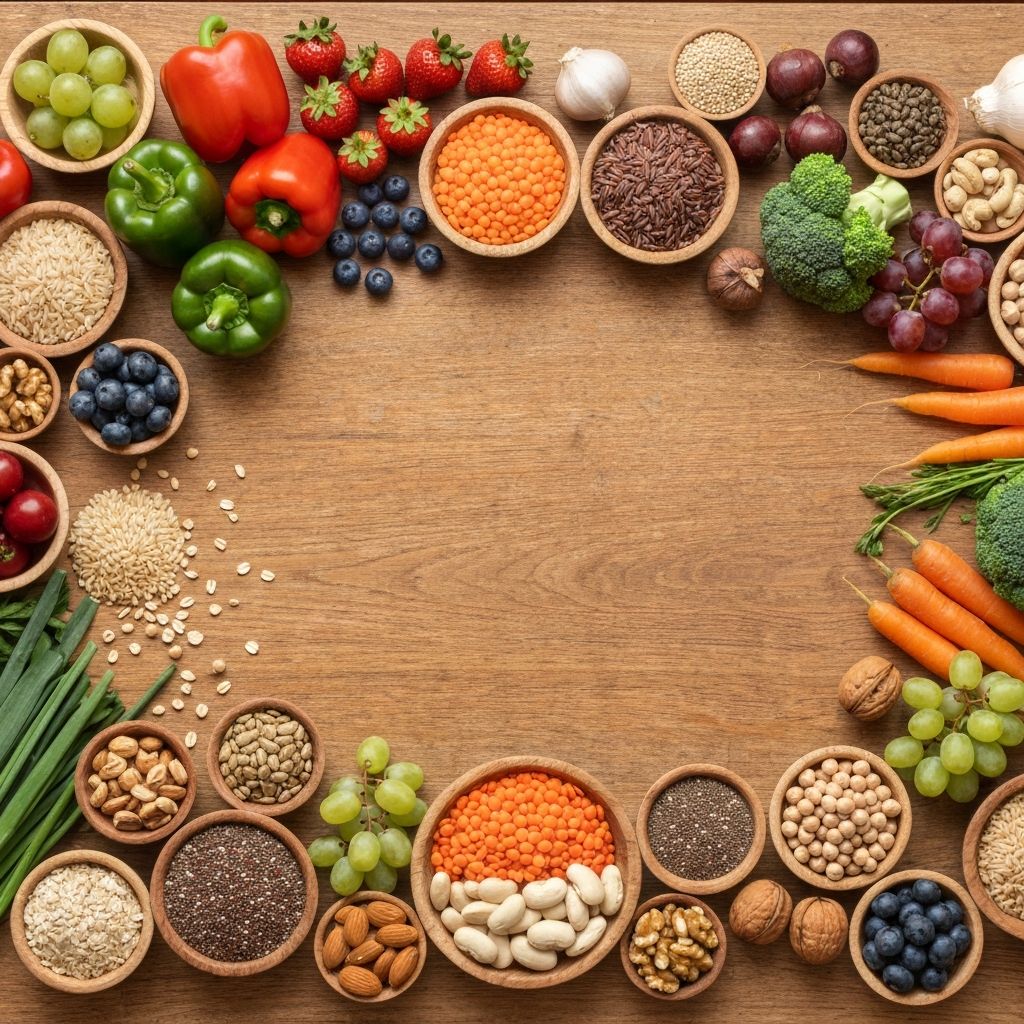
Plant-based diets—those emphasising vegetables, fruits, legumes, whole grains, and nuts while minimising or excluding animal products—are increasingly common and have been the focus of microbiota research. This article provides an informational overview of how different plant-based dietary patterns are described in scientific literature in relation to gut microbial communities.
Types of Plant-Based Dietary Patterns
Plant-based dietary patterns exist along a spectrum rather than as distinct categories. General classifications in research include:
Vegetarian Diets
Diets that exclude meat, poultry, and fish but may include dairy and eggs. Within vegetarian approaches, there is substantial variation in the proportion of plant-based foods and the amount of processed versus whole foods.
Vegan Diets
Diets that exclude all animal products, including meat, poultry, fish, dairy, eggs, and honey. Like vegetarian diets, vegan approaches vary in the specific foods emphasised and the degree of food processing.
Predominantly Plant-Based Diets
Diets that emphasise plant foods but do not completely exclude animal products. These may include flexitarian approaches or Mediterranean-style diets with high vegetable and legume content.
Microbial Characteristics Associated with Plant-Based Eating
Observational research consistently reports distinctive microbial characteristics in individuals consuming predominantly plant-based diets compared to those consuming diets higher in animal products:
Increased Microbial Diversity
Cross-sectional studies frequently report that vegetarians and vegans have greater microbial diversity than omnivorous individuals. This association is often attributed to the higher consumption of diverse plant foods, each containing different types of fibre and other substrates for microbial fermentation.
Shifts in Microbial Composition
Research documents observable differences in the relative abundance of specific bacterial taxa between plant-based and omnivorous eaters. For example, bacterial families containing fibre-degrading genera tend to be more abundant in plant-based eaters, reflecting the higher fibre content of their diets.
Increased Abundance of Beneficial Taxa
Studies note that certain bacterial taxa associated with plant fibre fermentation, such as Faecalibacterium and various Prevotella species, tend to be more abundant in individuals consuming plant-based diets.
Factors Contributing to Microbial Differences
Several dietary components characteristic of plant-based diets may contribute to observed microbial differences:
Dietary Fibre Content
Plant-based diets are typically higher in total dietary fibre compared to diets containing more animal products. The diverse fibre types present in different plant foods create varied substrates for bacterial fermentation, potentially supporting greater microbial diversity.
Plant Polyphenols
Many plant foods are rich in polyphenols—plant compounds with antioxidant properties. Polyphenols reach the colon intact and are fermented by the microbiota, potentially influencing microbial composition.
Absence of Certain Animal Products
Animal product consumption is associated in observational research with different microbial profiles compared to plant-based eating. Whether this reflects the absence of animal products per se or the presence of alternative plant components remains incompletely understood.
Individual Variability
It is important to recognise that substantial individual variation exists even within plant-based eating patterns. Two individuals following vegan diets may have quite different microbial communities depending on the specific plant foods they consume, their baseline microbiota, and other individual factors. Similarly, not all plant-based diets result in high fibre intake—processed plant-based foods lacking substantial fibre exist, and some plant-based eaters consume limited vegetable diversity.
Research Limitations and Considerations
Several limitations characterise research on plant-based diets and microbiota:
- Observational Design: Most evidence comes from cross-sectional or self-selected populations, limiting causal inference.
- Confounding Factors: Plant-based eaters often differ from omnivorous individuals in many ways beyond diet—including exercise, supplement use, and other lifestyle factors—that may independently influence the microbiota.
- Dietary Variability: Plant-based diets vary enormously in their specific composition, making generalisations difficult.
- Functional Outcomes Unknown: While microbial differences are documented, whether these differences translate to different health outcomes remains unclear.
- Adaptation Over Time: The microbiota may change over time in individuals transitioning to plant-based diets, and studies of varying duration may capture different states of adaptation.
Conclusion
Plant-based dietary patterns are associated in observational research with distinctive microbial characteristics, including greater diversity and shifts in microbial composition. These associations likely reflect the higher fibre content and plant component diversity of plant-based diets. However, substantial individual variation, challenges in establishing causation from observational designs, and uncertainty about the functional significance of microbial differences highlight the complexity of these relationships.